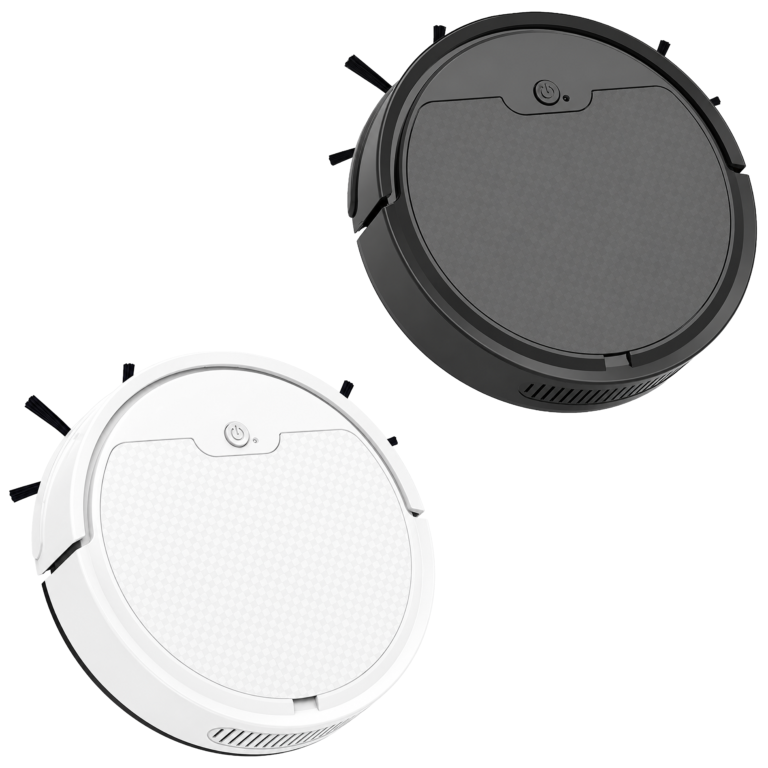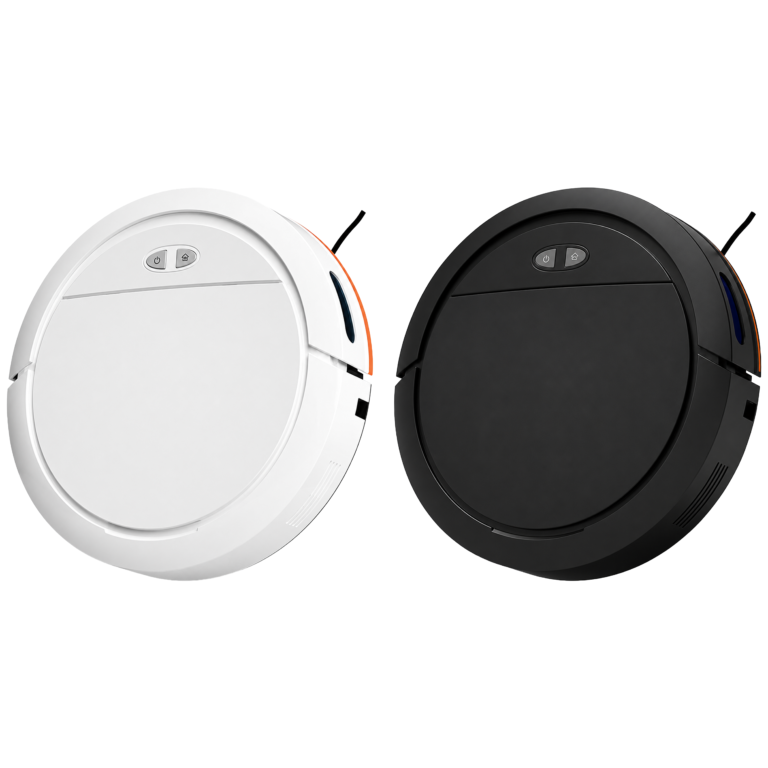
Robot Mop 2026: The Best Complete B2B Sourcing Guide
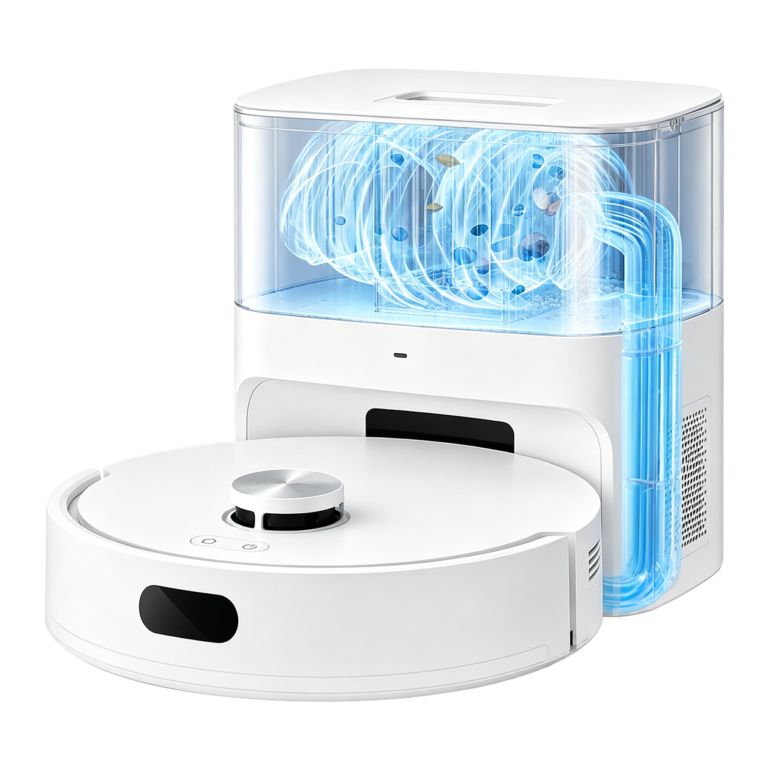
A robot mop is a battery-powered floor cleaner that drives itself across a room using gyroscope navigation, dispensing water from an onboard tank and wiping the floor as it goes so a room is mopped with no operator pushing it. For 2026 sourcing teams, the robot mop that wins repeat orders pairs accurate gyroscope mapping with a true wet-and-dry function, a battery that finishes a room on one charge, and a self-charging dock. This guide breaks down the specs buyers compare, how we build ours, and the wholesale terms behind one factory-direct self-charging model.
Written by the Vacuum Cleaners China product team · Reviewed by Mi Lan, founder of Guilin Use at Home Technology Co., LTD · Updated June 2026 · ~10 min read
- What is a robot mop?
- Why does gyroscope navigation matter?
- 2026 sourcing checklist
- Specs & how the UAH013L robot mop compares
- How does the wet-and-dry function work?
- How to set up and run a robot mop
- How we manufacture this robot mop
- Wholesale, OEM & B2B sourcing
- FAQs
- Conclusion
- Navigation decides coverage. A robot mop with gyroscope navigation tracks straight, methodical paths instead of the random bouncing that leaves missed patches.
- Wet and dry in one pass. The unit vacuums loose debris and mops with its water tank in a single run, replacing two separate machines.
- Battery sets run time. A 2600mAh battery delivers about 35 minutes per charge and recharges in 3 to 4 hours, enough to cover a typical room on one cycle.
- Self-charging removes a manual step. The robot mop returns to power on its own, so staff do not have to plug it in between runs.
- Clean and dirty water stay separate. A solid-liquid separation tank (900ml clean / 550ml dirty) keeps fresh water clean so the floor is wiped, not smeared.
What Is a Robot Mop?
A robot mop is a self-driving floor appliance that combines a vacuum and a mop in one chassis: it rolls across the floor under its own power, lifts loose debris with suction, and wipes the surface with water fed from an onboard tank. Because it navigates and cleans without a person pushing it, a robot mop turns routine floor care into a hands-off task for homes, rental units, small offices and hospitality spaces. It trades the raw reach of an upright machine for autonomy, repeatability and unattended operation.
How a robot mop works
You fill the clean-water tank, set the unit on the floor and start it. An internal gyroscope tracks the robot mop’s heading and distance travelled, so it plans straight rows rather than wandering at random. As it moves, an 8000pa suction path pulls in grit while a damp pad or roller behind it wipes the floor; the used water drains into a separate dirty-water tank. When the 2600mAh battery runs low after roughly 35 minutes, the robot mop returns to charge on its own.
Robot mop vs. cordless stick vacuum
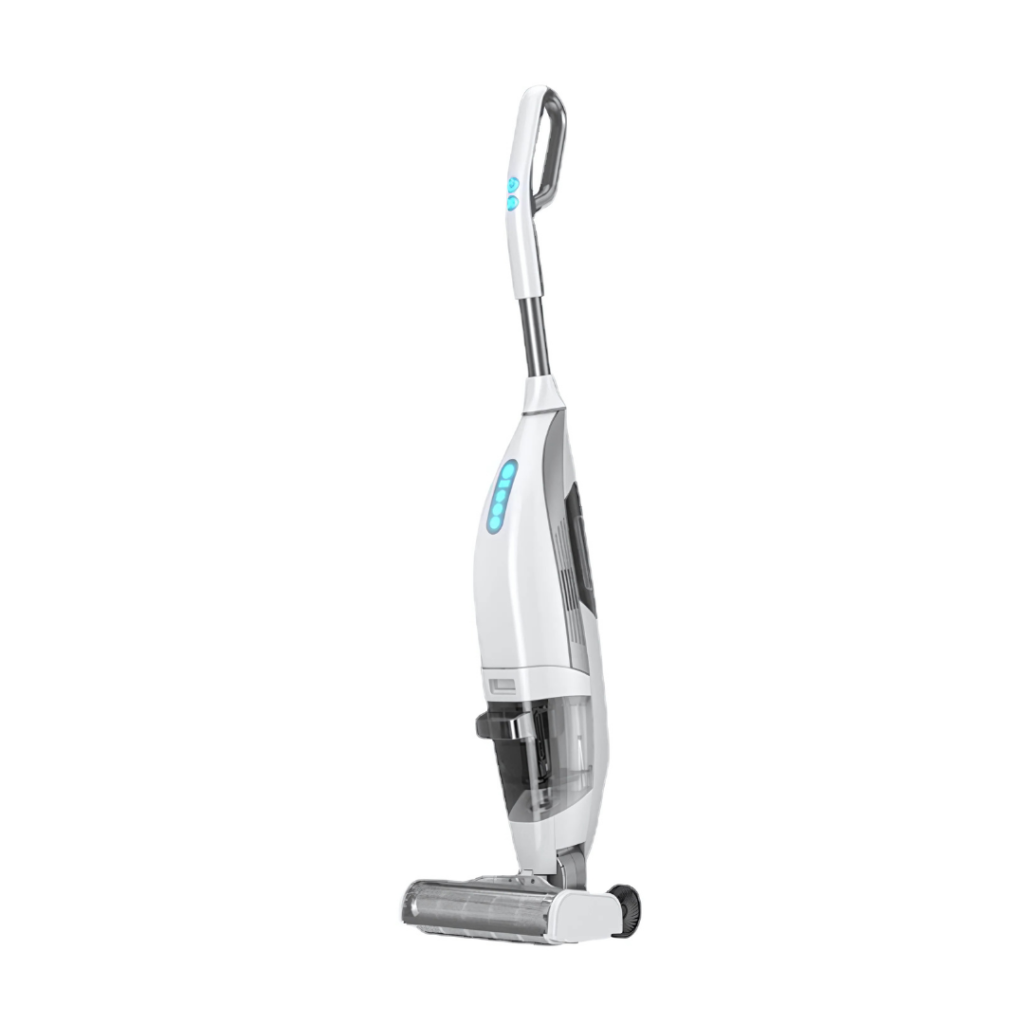
A cordless stick vacuum is operator-driven: someone walks it across the floor for fast, on-demand cleaning and tight spot work. A robot mop is autonomous — it covers the open floor on a schedule with no one holding it, which is what makes it attractive for repeat daily cleaning in homes, serviced apartments and small commercial rooms. Many distributors stock both, because they answer different buyer needs rather than competing head to head.
Why Does Gyroscope Navigation Matter in a Robot Mop?
Navigation is the single feature that separates a robot mop that cleans the whole floor from one that misses half of it. Gyroscope navigation lets the unit hold a heading and plan methodical rows instead of the random-bounce pattern that leaves uncleaned strips and re-covers the same patch twice.
| Factor | Gyroscope-navigated robot mop | Random-bounce unit |
|---|---|---|
| Floor coverage | Plans straight, methodical rows | Bounces randomly; misses strips |
| Time to finish a room | Predictable, no wasted passes | Slow; re-covers cleaned areas |
| Edge work | One-side edge cleaning follows walls | Drifts away from skirting |
| Battery efficiency | Covers more floor per charge | Wastes run time on overlap |
| Best fit | Daily unattended room cleaning | Light, occasional freshening |
Gyroscope mapping versus marketing claims
Many cheap listings call a unit “smart” while it actually moves on a random-bounce algorithm. A genuine gyroscope, an inertial sensor that measures rotation and heading, is what lets a robot mop drive in rows and remember where it has been within a run. According to Wikipedia’s overview of the gyroscope, the sensor’s job is to measure or maintain orientation, which is exactly the data a navigating robot needs to track a straight path instead of wandering.
Edge cleaning and powered traction
Coverage also depends on how close the unit gets to walls and how it handles transitions. One-side edge cleaning lets the robot mop follow skirting boards so corners are not left dirty, while powered traction drives the wheels with enough grip to cross thresholds and keep mopping rather than stalling. Two cleaning modes then adapt the unit to bare floor or carpet without a hardware change.
What to Look For in 2026 (Sourcing Checklist)
Five specifications separate a robot mop that earns repeat orders from one that gets returned. Ground every buying decision in these numbers.
Navigation and cleaning modes
Navigation and mode flexibility predict real-world performance better than any single headline number. Look for gyroscope navigation for methodical coverage and two cleaning modes so one unit handles both bare floor and carpet; together they keep the robot mop useful across mixed rooms instead of one surface only.
Suction and water tanks
Suction and tank design decide how much the unit actually picks up and whether it mops cleanly. An 8000pa suction path lifts grit and hair, while a solid-liquid separation tank (900ml clean, 550ml dirty) keeps fresh water away from dirty so the floor is wiped, not smeared with the grime it just collected.
Battery and charging
Battery capacity sets how much floor the unit covers per cycle. A 2600mAh battery delivers about 35 minutes of run time and recharges in 3 to 4 hours — enough to clean a typical room on one charge, then top up between sessions. Self-charging means the robot mop docks itself rather than waiting for someone to plug it in.
Voltage and the charging dock for export markets
If you sell across borders, wide-voltage support is essential. A 110–240V-compatible charger runs on any grid worldwide with only a plug change, so a single SKU covers the EU, UK, US, Middle East and Australia without separate tooling.
Build, traction and self-cleaning
Build quality decides how long one tool lasts in daily use. A tough ABS housing, powered traction to cross thresholds, a self-cleaning roller cycle and one-side edge cleaning round out a robot mop that survives repeat commercial duty rather than wearing out in a season.
The Specs That Matter — and How the UAH013L Robot Mop Compares
Here is how our factory-built model — the UAH013L self-charging robot mop — maps onto each specification a sourcing team weighs.
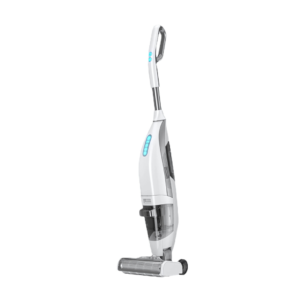
| Specification | This model (UAH013L) | Why it matters |
|---|---|---|
| Navigation | Gyroscope | Drives methodical rows for full floor coverage. |
| Cleaning functions | Wet and dry | Vacuums and mops in one pass, replacing two machines. |
| Suction | 8000pa | Lifts grit and hair before the pad wipes the floor. |
| Power | 200W | Drives suction and traction across thresholds. |
| Battery capacity | 2600mAh | Covers a typical room on a single charge. |
| Run time | ~35 minutes | Enough autonomy to finish a room unattended. |
| Charging time | 3–4 hours | Self-charges between runs with no manual plug-in. |
| Water tank | 900ml clean / 550ml dirty | Solid-liquid separation keeps fresh water clean. |
| Voltage | 110–220V | Wide voltage — one SKU ships to most markets. |
| Material | ABS housing | Tough, light and ready for daily commercial duty. |
| Modes | Floor and carpet | One unit adapts to both surfaces without swaps. |
| Accessories | Roller brush, cartridge | Replaceable wear parts keep the unit serviceable. |
Why gyroscope navigation and 8000pa matter
Navigation and suction are the numbers that most reliably predict whether a robot mop actually cleans a whole floor. With gyroscope-planned rows and 8000pa lifting debris ahead of the mop pad, the unit walks a room from dirty to clean in one methodical pass rather than missing strips or smearing loose grit — the practical test that separates a strong unit from a weak one.
Solid-liquid separation versus single-tank mops
Many budget robot mops drag the same water across the whole floor, so the pad gets dirtier as it goes. The solid-liquid separation tank keeps the 900ml of clean water apart from the 550ml of dirty runoff, which means the floor is wiped with fresh water from start to finish instead of being painted with the grime the unit just collected.
How Does the Wet-and-Dry Function Work?
The wet-and-dry function is what lets one robot mop replace a separate vacuum and a separate mop. Suction handles the loose, dry mess first; the water tank and pad handle the sticky, wet film second — in a single automated run.
The dry pass: suction and debris pickup
As the robot mop drives forward, its 8000pa suction path pulls loose grit, dust and hair off the floor before any water touches it. Picking up the dry debris first stops the mop pad from turning that grit into mud, which is the difference between a clean wipe and a smeared streak behind the unit.
The wet pass: water tank and mopping
Behind the suction path, clean water from the 900ml tank dampens the pad or roller, which wipes the floor as the unit moves. The used water drains into the 550ml dirty-water tank rather than back onto the floor, and the self-cleaning cycle rinses the roller so each run starts fresh — the versatility that makes a wet-and-dry robot mop attractive to rental managers and housekeeping teams.
How to Set Up and Run a Robot Mop
Before you start
Clear cables and small objects from the floor, fill the 900ml clean-water tank, fit the roller brush, and place the robot mop on the floor near its charging point. Select floor or carpet mode to match the surface, and let the battery charge fully on the first cycle for the longest run time.
Running a cleaning cycle
Start the unit and let the gyroscope navigation plan its rows; the robot mop vacuums and mops as it tracks straight paths across the open floor and follows edges with one-side edge cleaning. For mixed rooms, switch modes between bare floor and carpet so the unit adapts without a hardware change.
Emptying, cleaning and charging
After each cycle, empty the 550ml dirty-water tank, rinse the roller and run the self-cleaning function, then return the unit to charge — a full recharge takes 3 to 4 hours. Two minutes of care keeps suction strong and the battery healthy for years of repeat use.
How We Manufacture This Robot Mop
Vacuum Cleaners China is the trading and export brand of Guilin Use at Home Technology Co., LTD, a factory-direct manufacturer in Guilin, China. We design and build our robot mops in-house rather than reselling a generic unit — which is what lets us stand behind the specifications and offer them for OEM and private-label production.
In-house tooling and our private mould
This model is produced from our own private mould and in-house tooling, so we control the housing design, fit and finish — and can adapt colour, branding and packaging for wholesale partners. Owning the mould also means consistent units batch to batch, which matters when you are buying hundreds or thousands at a time.
Quality control and testing
Every production run goes through a documented quality-control process: incoming-material checks on the ABS housing and the 2600mAh battery, in-line assembly inspection, a suction and navigation check, an electrical-safety test, and a final powered run test before packing. Units that fail any stage are pulled before they ship.
Certifications, compliance and warranty
Our robot mops are produced to international electrical-safety and environmental standards — including CE, RoHS, UL and ETL compliance for export markets — and ship with a 12-month warranty. International safety bodies such as the International Electrotechnical Commission (IEC) set the household-appliance standards we build toward, and we can supply the relevant compliance documentation and test reports to wholesale and import partners on request.
Buying at Wholesale: Robot Mops for Retailers, Rentals & OEM
Robot mops are a fast-growing purchase for property managers, retail, hospitality and distribution. If you source in volume rather than buy one for home, the calculus changes.
Best for distributors, rentals and private-label brands
Distributors and importers get a high-demand smart appliance with wide-voltage flexibility across markets. Serviced apartments, rentals and small offices can equip each unit with an autonomous, self-charging cleaner backed by a 12-month warranty. Private-label brands and retailers can put their own logo and packaging on a proven mould instead of developing tooling from scratch. For a wider floor-care line, see our cordless wet-dry vacuum manufacturing page.
MOQ, lead time and shipping
Our standard MOQ is from 100 units per model, with tiered pricing improving as volume rises — from $110 per unit at 200 units to $103 per unit at 825 units. Bulk lead time is 15–30 days, with samples in days. We ship FOB China with EXW or CIF options by sea or air, support 30% / 70% T/T terms and Alibaba Trade Assurance, and supply full carton and CBM data so you can plan freight cost per unit before you commit.
Plug standards and voltage by market
Because the charger supports 110–220V, a single SKU serves virtually every market — we fit US, EU, UK, AU or other plug types to your destination. Each unit packs one to a carton at 75×33.2×33 cm and about 7.8 kg, so you can plan container loading and freight before you place the order.
How our robot mop and floor-cleaner models compare
| Model | Power / Suction | Type | From (per unit) |
|---|---|---|---|
| UAH013L (this guide) | 200W / 8000pa | Robot mop, gyroscope, wet & dry | $103.00 |
| UAH012L | Self-cleaning | Dry-wet floor cleaner, LED display | $160.00 |
| UAH010LX | Cordless | Wet-dry vacuum, HEPA filter | $145.00 |
| UAH19L | 250W | Vertical wet-dry floor washer | $110.00 |
| UAH17L | Cordless | Sweeping & mopping, self-cleaning | $77.00 |
Frequently Asked Questions
Is a robot mop worth it for commercial use?
Yes — for most rental, retail and hospitality buyers a robot mop earns its place. It vacuums and mops a floor on its own with gyroscope navigation, returns to charge by itself, and frees staff from a routine daily task. It is most worthwhile where open floor space needs repeat cleaning and labour time is the real cost.
What navigation should a robot mop have?
For reliable coverage, look for gyroscope navigation rather than a random-bounce algorithm. A gyroscope lets the robot mop track straight, methodical rows and follow edges, so it cleans the whole floor instead of missing strips. Random-bounce units are cheaper but waste run time re-covering cleaned areas and skipping others.
How long does a robot mop run on one charge?
It depends on battery size. A 2600mAh battery delivers roughly 35 minutes of continuous cleaning — enough to cover a typical room on one charge — then recharges in about 3 to 4 hours. Because the unit self-charges, it returns to its dock on its own rather than waiting for someone to plug it in.
Can one robot mop be used worldwide?
Only if its charger supports wide voltage. A 110 to 220V-compatible unit runs safely on most grids with a simple plug change, whereas a single-voltage charger needs a bulky converter and can be damaged by foreign outlets. A wide-voltage SKU lets a distributor sell the same unit across the EU, UK, US, Middle East and Australia.
What does the wet-and-dry function actually do?
Wet and dry means the robot mop vacuums loose debris and mops with water in the same run. The 8000pa suction lifts dry grit first so the pad does not smear it, then clean water from the 900ml tank wipes the floor while dirty runoff drains into a separate 550ml tank. One unit therefore replaces a separate vacuum and mop.
Can I order robot mops wholesale or with my own brand?
Yes. Vacuum Cleaners China is the factory — we supply this model wholesale from a 100-unit MOQ, with OEM and private-label options for your logo, colours and packaging, CE/RoHS/UL/ETL compliance for export, and a 12-month warranty. Request a quote with your quantity and destination and we reply within one business day.
Conclusion: The Right Robot Mop for 2026
A great robot mop comes down to a handful of capabilities: real gyroscope navigation for full coverage, a true wet-and-dry function, enough battery for a room on one charge (2600mAh, about 35 minutes), 8000pa suction, a solid-liquid separation tank, and self-charging so it runs hands-off. The model below hits every mark — equally at home in a rental flat, a small office or a hospitality floor.
Self-Charging Robot Mop with Gyroscope Navigation (UAH013L)
Gyroscope navigation · wet & dry · 8000pa · 2600mAh / ~35 min · 3–4h charge · 900ml clean / 550ml dirty tank · 110–220V · floor & carpet modes.
Factory-direct from $103/unit · 12-month warranty · OEM & private-label welcome.
Similar Floor Cleaners from Vacuum Cleaners China
Exploring the full range? Here are other floor cleaners we manufacture, all factory-direct and available for wholesale and OEM. Read more about our capability on our vacuum cleaner manufacturing overview.
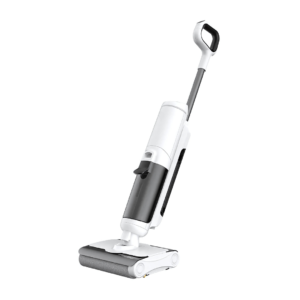
Wet Dry Vacuum Cleaner, 250W, 16000Pa, Dual Roller
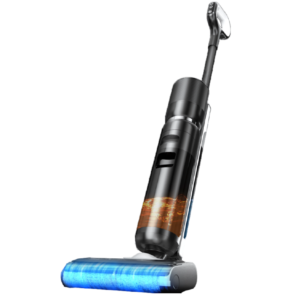
Cordless Vacuum Cleaner, 200W, 16000Pa, LED Display
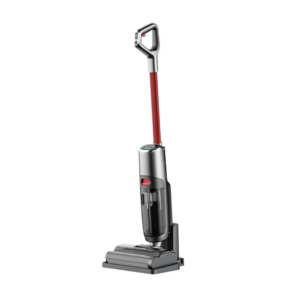
Upright Vacuum Cleaner, 250W, 18000Pa, LED Display
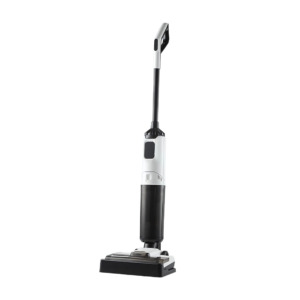
Cordless Vacuum Cleaner, 170W, 3000Pa, LED Display
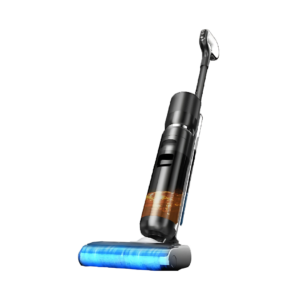
Wet Dry Vacuum Cleaner, 200W, 16000Pa, 800ml Tank
Ready to order or need a wholesale quote?
Vacuum Cleaners China manufactures robot mops direct from our Guilin, China factory — OEM, private-label and B2B welcome, with a 12-month warranty and tiered volume pricing.
📧 [email protected] ·
📞 +86 159 7211 2720 ·
Request a quote