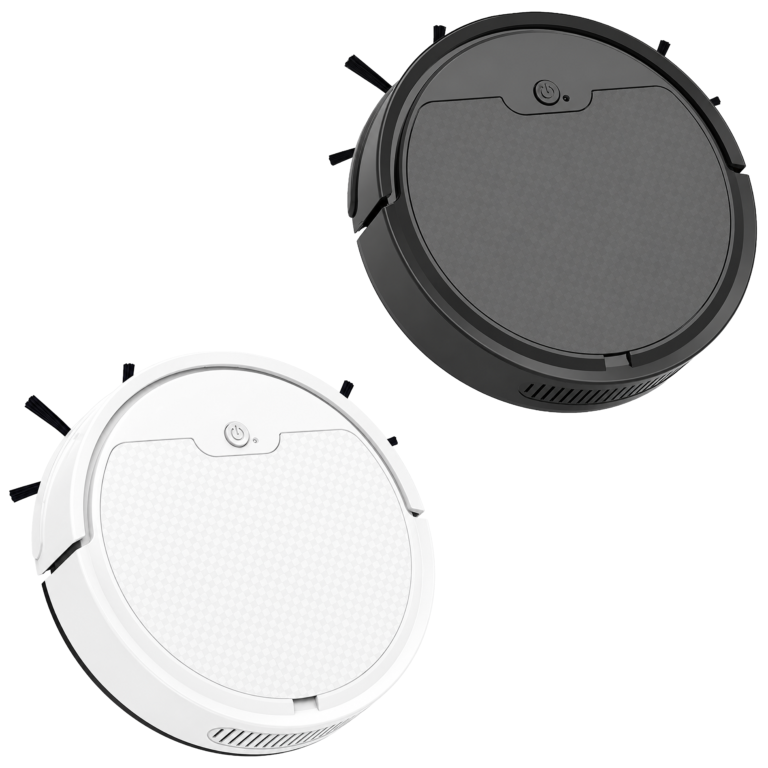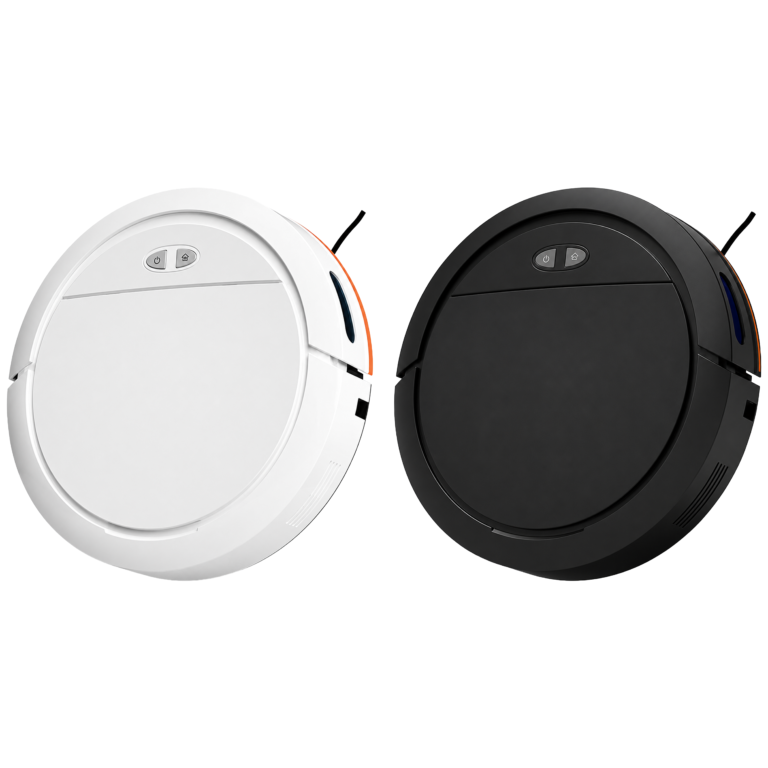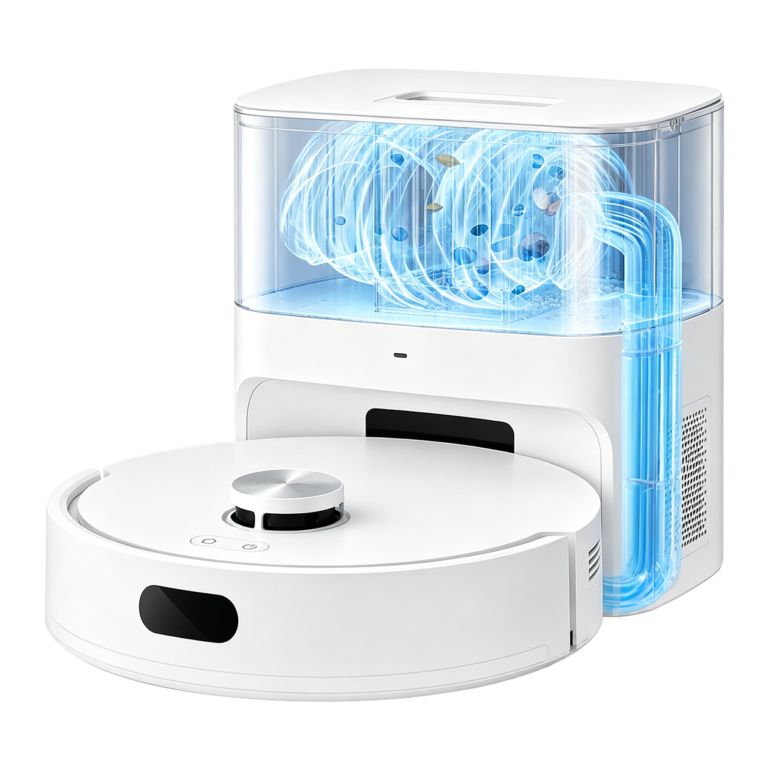
Robot Vacuum Troubleshooting: Essential B2B Fixes Guide
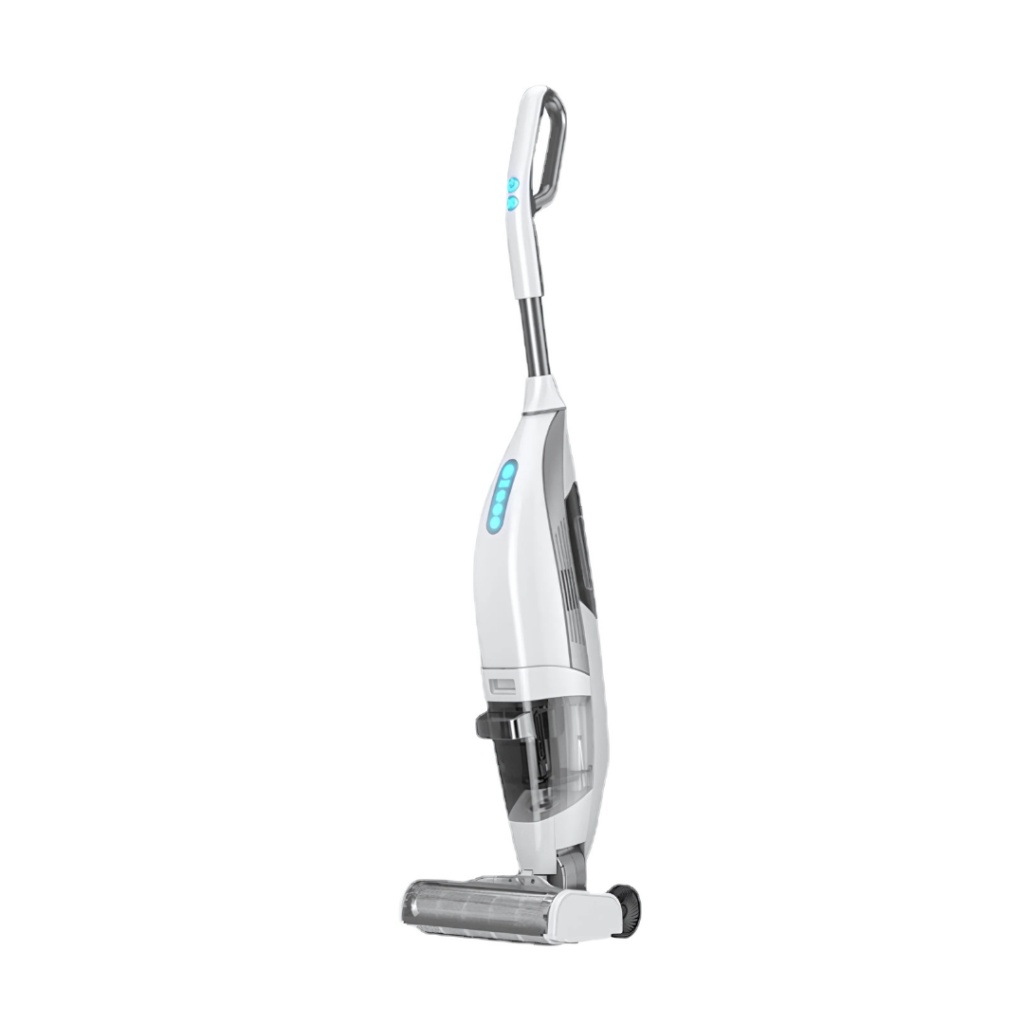
Robot Vacuum Troubleshooting: Essential B2B Fixes
A misdiagnosed navigation complaint can turn a service question into a costly rejected-shipment dispute when environment, setup, and hardware causes are not separated. Robot vacuum troubleshooting is a controlled process that separates maintenance, charging, airflow, water-system, and component faults. This guide applies that sequence to the UAH013L.
// 01 — Key takeaways
Key takeaways for faster fault isolation
Start with the symptom, reproduce it under a fixed condition, and change only one variable at a time. This protects distributors from replacing good units for floor-layout problems and from dismissing real component faults as user error. The product record supplies the baseline; the test must supply the evidence.
Guilin Use at Home Technology Co., LTD was founded in 2005. Buyers can review the documented factory facts in our Trust Center.
UAH013L’s catalog suction rating. Diagnose the airflow path before treating weak pickup as a motor fault.
Catalog usage per charge. Compare runtime only after a complete charge and under a repeatable floor-and-mode condition.
Catalog charging time for the 2600mAh battery. Separate a docking miss from a no-charge condition.
Clean and dirty water tank capacities. Seat, fill, drain, and inspect each tank independently.
The fetched product terms state a 12-month warranty. A precise fault record makes an after-sales decision faster.
// 02 — First response
What is the fastest robot vacuum troubleshooting sequence?
The fastest diagnostic sequence puts evidence first, external causes second, and internal parts last. Record the complaint, charge state, surface, cleaning mode, tank state, and exact point of failure. Clear simple obstructions, then repeat the same task before considering internal service.
Preserve the evidence before resetting anything
Ask the user or service desk for one uninterrupted video. It should show the start state, the robot’s path, the dock position, any indicator, and the final stop. Record whether the unit was vacuuming, mopping, washing, returning, or charging. A phrase such as “navigation failed” is too broad for a warranty decision.
Do not begin with a factory reset. A reset can erase the condition that makes a fault repeatable. First note whether the unit circles, veers, stalls, misses the dock, reaches the dock without charging, loses suction, leaks, or stops early. Those symptoms point to different branches of the diagnostic workflow.
Run a controlled clean-floor retest
Remove cables, loose mats, reflective clutter, and small objects from a level test area. Empty the debris path, seat both water tanks, and complete the normal charging cycle. Run the same mode twice without changing the layout. If the fault disappears, reintroduce one environmental variable at a time.
The iFixit robot-vacuum troubleshooting index groups common complaints by charging, suction, navigation, water, and stopping symptoms. That symptom-first structure is useful for a service form because it prevents unrelated checks from becoming a long, untraceable list.
// 03 — Navigation
Why does a robot vacuum circle, veer, or miss areas?
Circling or repeated veering usually means the left and right sides no longer produce matching movement, or the navigation input does not match the actual path. Clean both wheel paths and sensors, compare wheel resistance, and retest on a plain level surface before suspecting the gyro, encoder, motor, or control board.
Compare both drive sides and the navigation inputs
Power the unit off before removing wrapped hair or fiber. Turn each accessible wheel by hand and note obvious drag, free play, or a blocked return movement. Wipe exposed sensors with a soft dry material. Do not flood a sensor window with cleaner. A one-sided obstruction can create a repeatable arc even when the motor still runs.
UAH013L is listed with gyroscope navigation. A gyro supplies orientation data, but the path still depends on traction and movement feedback. That is why a circling complaint is not proof of a failed gyro. The service record should say whether the circle changes direction when the unit is rotated or moved to another clean surface.
Separate room conditions from repeatable hardware behavior
Test away from stairs, black borders, bright reflections, deep rug edges, and low furniture. If the unit moves normally in the controlled area, the next task is environmental setup, not part replacement. If it circles in the same manner on two clear surfaces after wheel and sensor cleaning, the case is suitable for technical escalation.
Use a reset only after the physical checks and only according to the model instruction set. Record the behavior before and after. A post-reset improvement points toward state or calibration. No change points back toward wheel, sensor, gyro, harness, or PCBA inspection. That sequence keeps the diagnosis auditable.
// 04 — Docking
Why will a robot vacuum not dock or charge?
Treat a docking failure and a charging failure as different faults. First confirm that the dock has power and the robot can approach it through a clear path. Then observe whether the robot makes stable contact. Reaching the dock without charging shifts the diagnosis toward contact, supply, battery, or charging electronics.
Separate “cannot find dock” from “does not charge”
Place the dock on a stable surface where it cannot slide. Clear objects from the direct approach and begin a return test nearby. If the robot wanders, inspect navigation sensors and whether the dock moved after the original route was established. If it aligns but backs away, inspect the approach, dock stability, and contact faces.
For a no-charge complaint, confirm the supply connection and clean the exposed contacts while power is disconnected. Look for damage, corrosion, heat marks, or a contact that does not move normally. Do not bypass the charger or connect an unapproved power source. The UAH013L record lists a 3–4-hour charging time, not permission to improvise charging hardware.
Know when the battery case becomes a safety case
Stop the test if the battery case swells, leaks, becomes unusually hot, smells abnormal, or shows impact damage. Do not puncture or compress it. The US EPA’s lithium-ion battery guidance says devices containing these batteries should not enter household garbage or recycling bins; use an appropriate separate collection route under local rules.
A normal-looking pack with short runtime still needs a controlled comparison. Complete the listed charge, use the same mode and surface, and record start-to-stop time. Compare that observation with the 35-minute catalog value as a diagnostic baseline, while recognizing that load and floor conditions affect actual runtime.
// 05 — Airflow
Why does suction drop even when the motor runs?
Weak pickup often comes from restricted airflow or poor sealing rather than lost motor power. Empty the debris path, clean or replace the cartridge according to its condition, remove roller obstructions, and reseat the collection parts. Retest the same debris on the same surface before comparing performance with the 8000Pa catalog rating.
Trace airflow from floor contact to exhaust
Start at the roller and intake. Hair can prevent brush contact while leaving the fan sound unchanged. Continue through the air path, cartridge, and collection area. A poorly seated part can admit bypass air. A saturated or clogged filter can reduce flow. Record what was removed and whether the pickup changed after each single action.
Do not diagnose suction by sound alone. A high-pitched motor may coexist with a blocked intake, and a different floor can change acoustic character without a fault. Use a repeatable pickup sample only if the distributor already has a documented test method. Otherwise, video the same pass before and after maintenance without inventing an efficiency percentage.
Read the rated value under the right conditions
The fetched specification lists 200W power and 8000Pa suction. Watts describe electrical input; pascals describe a pressure condition. Neither number alone guarantees pickup on every floor. Brush engagement, seal condition, battery voltage, airflow restriction, debris geometry, and cleaning mode all influence the observed result.
For market claims, keep the catalog value attached to the model and avoid converting it into an unsupported performance promise. For quality control, define the fixture, battery state, mode, measuring point, and acceptance rule before testing. That turns a vague weak-suction complaint into comparable evidence.
// 06 — Wet system
Why does the wet-cleaning system leak or stop feeding?
Split a wet-system complaint into clean-water delivery, dirty-water recovery, tank sealing, and roller condition. UAH013L lists a 900ml clean tank and a 550ml dirty tank. Fill, seat, inspect, and drain each part separately; never assume a wet floor proves the pump or controller failed.
Inspect tanks, seals, channels, and roller seating
Begin with both tanks empty and clean. Inspect the caps, seals, mating faces, and any visible valve for debris or distortion. Seat the tanks fully, add only the approved cleaning liquid for the product configuration, and watch the first controlled pass. A leak at rest points to a different cause than liquid left only after motion.
If water does not feed, inspect the clean side for a blocked outlet or incorrectly seated tank. If recovery is weak, inspect the dirty side, roller, intake, and separation path. Do not probe a valve with a sharp object. Photograph the seal and tank interface before replacing a part.
Use the self-cleaning function as maintenance, not diagnosis
The product record lists self-cleaning, solid-liquid separation, edge cleaning, and floor and carpet modes. Self-cleaning helps rinse the operating path after use, but it cannot remove every wrapped fiber or correct a damaged seal. Empty dirty liquid after the cycle and allow removable wet parts to dry according to the supplied instructions.
Do not run a wet function on a surface that the product instructions exclude. Also avoid describing ordinary floor washing as disinfection. This guide addresses mechanical cleaning behavior only; it makes no sanitization, medical, or germ-kill claim.
// 07 — Specifications
What does the UAH013L specification prove?
The specification establishes the model’s declared configuration and the baseline for reproducible checks; it does not identify the cause of a field complaint by itself. Use exact power, voltage, battery, charge, runtime, suction, tank, size, weight, and packing records to keep service evidence tied to the correct SKU.
UAH013L diagnostic spec sheet
Rev. 2026.08
| Spec | This model | Why it matters in diagnosis |
|---|---|---|
| Material | ABS | Inspect housing and tank interfaces for impact or distortion. |
| Power | 200W | Confirms the model configuration; it is not a standalone pickup result. |
| Voltage | 110–220V | Match the supplied version and charger to the destination market. |
| Battery | 2600mAh | Keep runtime and charging evidence tied to the correct pack. |
| Charging time | 3–4 hours | Complete the normal cycle before a runtime comparison. |
| Suction | 8000Pa | Check airflow and seals before escalating a pressure complaint. |
| Usage per charge | 35 minutes | Use as the catalog baseline under a documented test condition. |
| Water tanks | 900ml clean / 550ml dirty | Test supply and recovery sides independently. |
| Product size | 26.5×24.2×112.5 cm | Verify the received configuration and service identity. |
| Product gross weight | 7.5 kg | Compare receiving records without guessing from the carton. |
How does UAH013L compare with fetched alternatives?
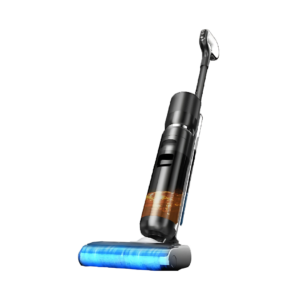
These figures come from direct SKU fetches, not from a rotating similar-product sample. UAH010LXX and UAH19L are upright wet/dry floor-cleaning alternatives, so the matrix helps a buyer separate an automation requirement from a manually guided cleaning requirement. It is a configuration comparison, not a claim that one architecture is universally better.
| Model | Format | Power | Suction | Runtime | From $/unit |
|---|---|---|---|---|---|
| UAH013L | Self-charging robot vacuum and mop | 200W | 8000Pa | 35 minutes | $103.00 at 825 units |
| UAH010LXX | Cordless upright wet/dry vacuum | 200W | 16000Pa | 40 minutes | $140.00 at 1000 units |
| UAH19L | Cordless upright wet/dry vacuum | 250W | 18000Pa | 25–50 minutes | $107.00 at 1000 units |
The IEC 60335-2-2:2026 scope expressly includes automatic battery-operated cleaners and addresses safety requirements for vacuum cleaners and water-suction appliances. For dry-cleaning robot noise declarations, IEC 60704-2-17:2020 defines a test code under normal operating conditions on carpet and hard floors. Standards must be matched to the product, market, and claim.
// 08 — Buyer QC
How should importers convert complaints into QC tests?
Convert each recurring field complaint into a named test with a fixed setup, observable output, and pass rule. Keep navigation, docking, charging, suction, runtime, and water handling as separate checks. A test file should identify the SKU, sample, battery state, surface, mode, tank state, operator, and evidence location.
Build the incoming-claim record around one symptom
Use a short form with selectable symptoms and a free-text field for the sequence. Request the order reference, model label, date received, date first used, and prior maintenance. Ask whether the fault appeared from first use or developed later. Require photos of the label, dock, charger, tanks, roller, and any physical damage relevant to the complaint.
For navigation, capture a top-down path and the floor condition. For docking, show the approach and contact. For charging, record indicator states at connection and after the specified cycle. For runtime, record the mode and surface. For wet operation, record which tank changes level and where liquid appears.
Add pre-shipment checks that mirror real failure language
A pre-shipment checklist should use buyer language: starts, travels straight, turns, detects obstacles, returns, makes charging contact, draws air, drives the roller, feeds clean water, recovers dirty water, and completes self-cleaning. Each line needs a method and acceptance rule agreed for that order. “Function OK” is not enough for later traceability.
Retain the agreed evidence package with the lot record. If a complaint repeats, compare it with the same check instead of designing a new test after every claim. That closes the feedback loop between field service, assembly, supplier control, and final inspection.
// 09 — Manufacturing
How we manufacture and verify a robot vacuum program
Guilin Use at Home Technology Co., LTD controls the program through tooling, electrical assembly, functional quality checks, and order-specific compliance review. That chain matters because a field symptom must return to a traceable assembly or test point instead of becoming an unsupported replacement decision.
According to the company’s documented factory profile, the operation has seven assembly lines, 205 workers, a 15,000 m² facility, and production capacity of up to 100,000 units per month. These company-wide figures describe stated factory capacity, not a guaranteed monthly allocation for UAH013L or any specific order; review the sourcing notes in the Trust Center.
In-house tooling and private mould control
Housing, tank, wheel, brush, and dock interfaces are reviewed against the approved configuration. Dimensional fit matters because a displaced seal, unstable dock, or restricted wheel can imitate an electrical fault. OEM appearance changes are frozen against the functional parts before production.
Pump, motor, battery, and PCBA burn-in
Electrical subassemblies are checked as a system, including the drive, suction, water, charging, and control paths applicable to the order. The goal is stable operation and traceability. The exact test method and acceptance record belong in the buyer’s approved quality plan.
Navigation, suction, docking, and leak checks
Functional checks reproduce the product’s core jobs: movement, orientation, pickup, water handling, return, and contact. The lot file should distinguish a visual check from a measured test. Buyers can add market-specific or retailer-specific checkpoints before shipment.
CE and RoHS scope plus 12-month warranty
CE and RoHS names are reviewed for the destination and ordered configuration; supporting documents depend on the product line and market. Every fetched UAH013L product record carries a 12-month warranty. Warranty decisions use the agreed specification, evidence, and fault-isolation record.
Good after-sales service starts before shipment: define the symptom, the test condition, and the evidence that will decide the claim.
— Mi Lan, Founder, Guilin Use at Home Technology Co., LTD
// 10 — Commercial
What should a B2B buyer lock before ordering?
A B2B service plan begins before the deposit: lock the model configuration, destination voltage and plug, navigation functions, cleaning modes, accessories, artwork, carton marks, test plan, spare-parts scope, and warranty route. Attach each requirement to the quotation or approval file to prevent disputes about unstated expectations.
Use the real UAH013L quantity and price records
The product FAQ states a typical MOQ of 100 units, with smaller trial orders available on request. Published UAH013L price tiers begin at 200 units: $110.00 at 200, $107.00 at 300, $105.00 at 500, and $103.00 at 825. Confirm the current quotation, configuration, packaging, and freight terms before ordering.
The fetched terms list samples in 3–7 days and bulk production in about 15–30 days after deposit. Standard payment is 30% deposit and 70% before shipment by T/T, with Alibaba Trade Assurance supported. Export terms can include FOB China from Shenzhen or Guangzhou, EXW, or CIF according to the buyer’s freight arrangement.
Match the electrical and service program to the market
UAH013L’s fetched specification lists 110–220V. Do not infer one universal plug or charger from that voltage range. Confirm the destination-market supply, plug, labels, user instructions, and compliance scope in the approved specification. Also define who holds local spare parts and who authorizes a repair, replacement, credit, or return.
Assign one owner for service approvals and keep the underlying model and lot ID on every claim, including private-label cases.
Price the warranty workflow, not only the unit
Before mass production, state the evidence threshold, parts policy, freight responsibility, and how the documented 12-month warranty applies to the destination and order.
// 11 — FAQ
Frequently asked robot vacuum troubleshooting questions
These questions reflect common search and service-desk language: getting stuck, circling, docking, weak suction, and battery end of life. The answers summarize the earlier checks; model-specific instructions and the approved service policy take priority.
Why does my robot vacuum keep getting stuck?
Why is my robot vacuum going in circles?
Why won't my robot vacuum return to its charging dock?
Why does a robot vacuum have weak suction?
When should a robot vacuum battery be replaced or recycled?
// 12 — Decision
When should a buyer escalate the fault?
Escalate when the symptom repeats after safe cleaning, correct setup, complete charging, and one controlled retest. Stop testing immediately for heat, swelling, leakage, damaged wiring, burning odor, or other unsafe behavior.
Send one fault record with the SKU, order reference, video, test condition, indicator state, and prior actions so the factory can distinguish setup, maintenance, wear, shipping damage, and component failure without repeating completed checks. For UAH013L technical and wholesale details, review the official UAH013L product page or request an order-specific quality plan.
Featured model
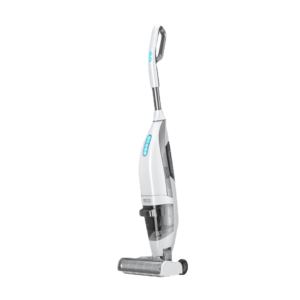
UAH013L robot vacuum and mop
200W · 8000Pa · 2600mAh · 35-minute catalog runtime · 900ml clean / 550ml dirty tanks
From $103.00/unit at 825 units
Similar products
Влажно-сухой пылесос, 170W, 12000Pa, с самоочисткой
Upright Vacuum Cleaner, 250W, 18000Pa, LED Display
Kablosuz Elektrikli Süpürge, 165W, 12000Pa, LED Ekran
Беспроводной пылесос для влажной и сухой уборки, 250W, 18000Pa
Need a UAH013L quote or quality-control plan?
Vacuum Cleaners China manufactures vacuum cleaners through Guilin Use at Home Technology Co., LTD. Send your market, quantity, electrical requirement, private-label scope, and proposed acceptance checks so the quotation and service plan match.